
Why AI’s Next Leap in Southeast Asia May Begin in Malaysia

Why AI’s Next Leap in Southeast Asia May Begin in Malaysia

Scaling in ASEAN isn’t plug-and-play. Here’s what works

By Thulasy Suppiah, Managing Partner of Suppiah & Partners

ASEAN Is the Next AI Frontier — with young digital natives exploding growth in data consumption, businesses surging cloud computing demand, and governments actively promoting digitalization. 40 percent of governments are already implementing national cloud adoption strategies. These trends are driving the region – with its 680 million population – to undergo rapid digital transformation. With demand rising for digital and data infrastructure, ASEAN has become a critical hub for technology, connectivity and data-driven growth. Although underdeveloped in terms of AI penetration, the World Economic Forum notes that this region is more interested in AI’s potential benefits and less concerned with its risks, reflecting a culture of acceptance and exploration. It also noted that strong government support and investment are fostering AI adoption and deployment, with several countries already developing their own national AI frameworks. At the same time, funding for research and development has increased, and regulatory sandboxes allow for experimentation.

What AI Firms Need to Scale in ASEAN — and Where They Struggle

In the first half of 2024 alone, more than USD30 billion (almost RM128 billion) was committed to building AI-ready data centers across Singapore, Thailand, and Malaysia; laying the foundation for accelerated computing, AI services and data growth. It has positioned the region for long-term success. Opportunities abound for language AI, logistics, fintech, and public sector applications. Many ASEAN countries are still in the “greenfield” stage of AI adoption, so early movers here will have an advantage.

However, it would be wrong to assume that one playbook works across all the borders. AI firms looking to expand in ASEAN should understand that each country has different laws, diverse data sovereignty baselines and no common AI standard. Expansion in this region will require planning, not brute force.

- Start by understanding unique local industry objectives

While ASEAN’s diverse user base provides for unique product market-fit opportunities, it also means that ICT providers must co-develop industry-specific solutions, strengthen ecosystem collaborations, and drive data-led sales and commercial strategies before businesses can unlock the full potential of their digital transformation efforts. Companies should not just push for technology adoption but align AI initiatives with core objectives of local businesses. They should identify specific challenges and deploy AI solutions strategically, for businesses can unlock new levels of efficiency, productivity and innovation. Success hinges on a strategic approaches, focused on creating tangible value.

- Pivoting and Adding Value Where There are Constraints

There is high friction entering certain countries in ASEAN. Firstly, the AI expertise pool is still limited and unequally distributed. There is a shortage of skilled personnel across the AI spectrum, from machine learning engineers, data scientists and professionals in algorithm development and those able to critically evaluate AI solutions.

Secondly, the investment cost of implementing AI solutions remains expensive, if considering changes and transitions from legacy applications. Current cost structures often reflect US, UK and Japan’s benchmarks while local AI companies tend to cater to clients in developed regions due to higher margins. This limits their resources for domestic projects. This means that some ASEAN nations will require subsidies to see return on investments (ROI).

Thirdly, typical Initial Setup Costs for AI Projects, especially large scale implementations involve substantial write-off costs, anywhere from USD5,000 to USD500,000 (RM21,274 to RM2.12 million) depending on tools, machine learning models, data security, and requirements for hardware. This leads some companies to favour smaller-scale data analytics solutions.

Fourth is the ethical concern of job displacement. While AI could increase productivity, it will also disrupt the workforce significantly. McKinsey estimates the loss of 23 million jobs to automation by 2030. New jobs will replace old jobs. How will the job market shape up? How will governments cope with unemployment? These considerations may delay decisions around AI projects.

Finally, legal uncertainty in some markets causes deployment paralysis. AI-specific regulations are either absent or under discussion in many ASEAN countries. Current regulations are mostly focused on the existing Personal Data Protection Act (PDPA) based on the European General Data Protection Regulation (GDPR) model. The localisation of these could take more than three years, with further delays during election cycles.

Malaysia vs. Singapore: Overflow Strategy in Action

EY ASEAN’s Joongshik Wang, remarked, “While enterprises (in Singapore) are keen to invest in emerging technologies, many businesses struggle to bridge the gap between pilot and full-scale implementation. This is often due to integration challenges, lack of clear return on investment (ROI), and the need for stronger ecosystem support to drive business value.” While Singapore boasts the most robust legal framework, it lacks in other areas.

Higher costs for utility, employment and land in Singapore, also make it less attractive for AI infra buildout. But on the other side of the straits, along with high quality and ubiquitous connectivity, Malaysia has larger tracts of land available, a cheaper workforce and the necessary infrastructure. It also has the physical space for data centers and manufacturing parks to scale.
While Singapore is a great environment for firms to set up their headquarters, Malaysia is an excellent cost-effective complement to Singapore’s HQ functions.

Why Malaysia? It’s ASEAN’s Shortcut for Getting Things Right

As ASEAN Chair, Malaysia is in an enviable position to lead the digital transformation of the region. Benefiting from its close proximity to Singapore, along with ample power and water resources, Johor (a state in Malaysia’s southern tip) has in recent years attracted major hyperscalers including Microsoft, Equinix and NTT; with Stack’s 220-megawatt facility being the latest. Other hyperscalers such as Amazon Web Services, Google, Alibaba, and Huawei also have a firm footing here.

Their presence is evidence of the trust they have in Malaysia’s resources and connectivity, high quality ports and cloud zones, and dependable infrastructure and logistics.

- Malaysia Actively Promotes and Welcomes AI Collaboration Initiatives

At a recent “Strengthening ASEAN-China Cooperation” forum, Chairman of the Centre of Regional Strategic Studies (CROSS), Lee Chean Chung said that Malaysia is well positioned to lead the regions digital transformation. “Malaysia’s strategic location, diverse and multilingual talent pool, robust infrastructure and collaborative mind-set make it a natural hub for AI development in the region.”

CROSS is already actively promoting AI policy development and facilitating regional cooperation. By encouraging policy frameworks supportive of responsible AI development and deployment, Malaysia is helping to shape a future where AI drives economic growth and fosters shared prosperity and equity.

Through CROSS, Malaysia has promoted forward looking AI policy development and cooperation. It has encouraged the establishment of joint ASEAN-China AI research centers, cross border innovation hubs and regional talent development programmes.

Malaysia is also visionary and focused, able to articulate its need for on the ground support to ensure a long term globally ready workforce. In this, Lee hoped ASEAN and China will collaborate to invest in science, technology, engineering and mathematics (STEM) education, launch AI fellowship programmes, and expand youth exchange initiatives.

- Malaysia’s Digital Government Is Laying Serious Groundwork

Beyond just policy and ideas, the Malaysian Government has set an example by driving its own AI adoption and readiness. Malaysia’s Digital Ministry has harnessed generative AI under its five year AI technology plan. Recently 445,000 public officers were given access to Google Workspace’s latest generative AI capabilities to scale up AI adoption across the civil service and enhance government service delivery. The first phase of the programme, AI at Work, was introduced in December 2024 alongside the launch of Malaysia’s National AI Office (NAIO). As the central authority to champion Malaysia’s AI agenda, the NAIO is a further show of Malaysia’s commitment to position the country as a regional leader in AI technology and applications.

- Malaysia’s Existing Industries create real AI demand

Malaysia’s manufacturing sector (with an expected GDP contribution of RM587.5 billion by 2030), has been actively integrating AI in automation, logistics and quality control.

For instance, SMART Modular Technologies (SMART), a global leader in specialty memory and storage solutions, uses AI-powered high-speed precision industrial robots at its Malaysian facility to identify and isolate manufacturing defects.

Another example is KVC, a leading B2B distributor of electrical products, solutions, and related services. It has leveraged IBM Robotic Process Automation (RPA) to enhance the finance department’s Procure-to-Pay processes, improving operational efficiency, reducing errors and lowering costs by automating key tasks such as invoice extraction, matching, and accurate payment processing; accelerating workflow and driving efficient financial management.

Similarly, the retail and food and beverage (F&B) sector are also using AI. From marketing to inventory management, and analyses of past sales to predict demand and seasonal trends more accurately, restaurants can now order just the right amount of stock to reduce waste and protect profit margins.

Some F&B businesses are even using AI to test new flavour combinations, cutting down on research and development (R&D) time.

Customer service in Malaysia has evolved too. Many online retailers like Zalora use AI chatbots to answer FAQs, and even suggest popular add-ons based on customer preferences.

Nevertheless many businesses, especially the Small and Medium Enterprises in Malaysia, struggle to bridge the gap between pilot and full scale implementation.

Malaysia’s Legal Framework Isn’t a Hurdle — it’s a Filter

Malaysia has been one of the first countries in the region to have adequate legal frameworks in place to regulate the use and misuse of internet technology and continues to draw up new laws accordingly.

The recently established Data Sharing Act 2025 establishes a legal framework for data sharing between government-to-government public sector agencies and between government agencies and businesses. It aims to improve government efficiency, enhance transparency, and ensure data security. The Act also seeks to protect sensitive and confidential information, strengthening data security through structured, and accountable data governance. It proves Malaysia’s recognition that data continues to drive decision-making and digital transformation, and its commitment to navigate this new digital regulatory environment effectively.

Malaysia was also among the first ASEAN nations to establish the Personal Data Protection Act (2010) to regulate the processing of personal data in commercial transactions by Data Users and protect the interests of Data Subjects.

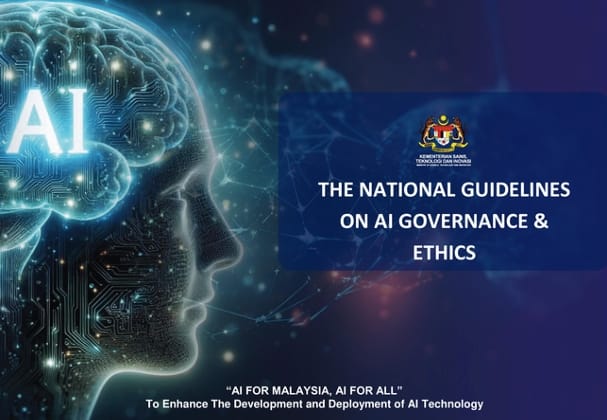
The government has also issued the National Guidelines on AI Governance & Ethics (AIGE) which outlines the obligations of end users, policymakers and developers. Although not legally binding, it proposes seven core principles which are: Fairness; Reliability, Safety, and Control; Privacy and Security; Inclusiveness; Transparency; Accountability; and Pursuit of Human Benefit and Happiness.

While there is no dedicated AI law yet, an AI Bill is in the works. But Malaysia’s policy environment is made predictable and stable through its existing Local Government, Intellectual Property, Contracts and Employment laws.

Malaysia also has skilled local legal navigators present to help AI firms avoid missteps in interpretation and execution of Malaysia’s regulatory framework.

Conclusion: Malaysia Doesn’t Replace ASEAN — It Unlocks Its Pros:

Firms entering Malaysia gain operational clarity and regional access. It’s where complexity becomes manageable — and strategy beats speed.

As a start, Malaysia is definitely looking for firms able to deploy capable AI solutions with lower burn rates and faster iteration cycles. Those deploying affordable, efficient AI stacks (e.g. from China) can leapfrog into ASEAN from here. Chinese technology companies such as Baidu, Alibaba and Tencent have been active in developing open-source AI models for many years. Their strategy, supported by Chinese universities and the government, can be seen as an “open innovation” model aimed at accelerating research and development and leapfrogging past the US. The fact that high-quality open-weight Large Language Models (LLMs) are now available means that Malaysia can access them at far lower cost than before and can now run its own LLMs without having to transfer sensitive data to commercial third parties or foreign countries, giving it greater data autonomy.

- Success Requires a Local Partner and a Legal Firm to Navigate and Execute

Successfully setting up in Malaysia will also require a local partner, good legal counsel and a local IT firm for execution. As the regulatory environment is constantly in flux, legal firms with full understanding of local laws are a crucial first step for AI firms entering Malaysia to make vital decisions. With AI is already having an impact on everything from risk assessment and insurance underwriting to policies and claims processing, AI firms should look for attorneys who are also competent and current with the latest developments in AI and technology to help them find their firm footing in Malaysia, and beyond to ASEAN.

© 2025 Suppiah & Partners. All rights reserved. The contents of this newsletter are intended for informational purposes only and do not constitute legal advice.


More Newsletter

[Feature Article] The Star Newspaper: Malaysia’s New Data Act: High Hopes, High Stakes

Malaysia's New Data Act: High Hopes, High Stakes

Published by The Star on 8 May 2025

by Thulasy Suppiah, Managing Partner

The recent enactment of the Data Sharing Act 2025 marks a significant step in Malaysia’s digital journey. The potential benefits are clear: enhanced public services through better agency coordination, data-driven decision-making, and a vital boost to our burgeoning AI ecosystem, aligning with the MADANI government’s aspirations. Creating a legal framework for inter-agency data sharing is indeed necessary.

However, as this Act takes its first steps, its success hinges critically on more than just legislative intent. For the public, the promise of efficiency must be balanced with robust assurance of security. We cannot overlook the context of past incidents involving significant leaks of Malaysians’ personal data allegedly linked to government systems. This history naturally fuels public apprehension.

It’s crucial to remember that the Personal Data Protection Act (PDPA) 2010 does not apply to federal or state governments. Therefore, the safeguards, evaluation criteria, and oversight mechanisms embedded within this new Data Sharing Act carry immense weight – they are the primary line of defence governing how citizen data is handled between government bodies.

While the establishment of the National Data Sharing Committee is welcome, its effectiveness will depend entirely on rigorous implementation and strict adherence to protocols. Simply having an Act is insufficient; the underlying cybersecurity infrastructure across all participating agencies must be demonstrably strong and resilient against breaches. Public confidence needs to be earned, not assumed.

Therefore, alongside implementing this Act, there must be a transparent commitment to significantly upgrading government digital infrastructure and cybersecurity capabilities. Assurances must be backed by visible action.

The Data Sharing Act 2025 provides a foundation. Now, the hard work begins: building a secure, trustworthy system that delivers the promised benefits without compromising the personal data Malaysians entrust to the government. Its success will ultimately be measured not just by shared data points, but by the public’s confidence in its protection.

© 2025 Suppiah & Partners. All rights reserved. The contents of this newsletter are intended for informational purposes only and do not constitute legal advice.

More Featured Articles

AI in the Lawmaker’s Seat: Progress or Peril?

AI in the Lawmaker's Seat: Progress or Peril?

Published on 03 May 2025

by Thulasy Suppiah, Managing Partner

The recent announcement that the United Arab Emirates intends to use artificial intelligence (AI) to help draft, review, and even suggest updates to its laws is a truly groundbreaking development. Presented as a world first, this move goes far beyond the global discussion about regulating AI; it steps into the territory of governing with AI, promising huge gains in legislative speed and efficiency.

While the allure of faster, more precise lawmaking is understandable, particularly given the UAE’s projections of boosting GDP and reducing costs, this pioneering approach warrants careful consideration and raises profound questions. The core concern isn’t just about technical accuracy – though experts rightly warn that current AI systems still suffer from reliability issues and can “hallucinate.” It cuts deeper, touching upon the very nature of lawmaking itself.

Firstly, the essential human element risks being sidelined. Lawmaking isn’t merely an exercise in processing data; it involves intricate negotiation, societal debate, compromise, and the embedding of cultural values. Can an algorithm truly replicate the nuances of human deliberation? Will laws significantly shaped by AI command the same legitimacy in the eyes of the public if the human process of debate and drafting is diminished?

Secondly, the risk of manipulation cannot be ignored. AI systems learn from the data they are fed and operate based on the parameters they are given. Whoever controls these inputs – the training datasets, the prioritised principles – could potentially steer legislative outcomes in subtle, perhaps undetectable ways, embedding hidden agendas into the legal fabric.

Furthermore, AI might strive for a level of logical consistency that clashes with the necessary flexibility of human society. Our laws often contain deliberate ambiguities, allowing for interpretation by courts based on evolving norms and specific circumstances. An AI optimising purely for consistency might produce rigid frameworks ill-suited to real-world complexities.

The security implications are also immense. A centralised AI system involved in drafting national laws would inevitably become a prime target for sophisticated cyberattacks. A successful breach could allow malicious actors to influence or corrupt foundational legal structures, potentially causing widespread disruption before being detected.

Finally, there are potential ethical framework conflicts. An AI trained on supposedly “global best practices” or diverse international datasets might inadvertently propose legal concepts or norms that conflict with a nation’s specific cultural identity, religious principles, or local traditions.

For nations like Malaysia, observing this bold Emirati experiment, the path forward requires careful thought. We should certainly embrace AI’s potential to assist governance and make processes more efficient. However, the UAE’s initiative underscores the urgent need for us to develop robust national frameworks before venturing down a similar path. Any integration of AI into critical functions like lawmaking must be governed by stringent ethical guidelines, transparency, and crucially, ensure that the human touch – deliberation, ethical judgment, and final approval – remains central and paramount. Balancing the power of AI with the wisdom of human oversight is key to ensuring technology serves society, not the other way around.

© 2025 Suppiah & Partners. All rights reserved. The contents of this newsletter are intended for informational purposes only and do not constitute legal advice.

More Featured Articles

Beyond Algorithms: Shaping Malaysia’s Ethical Approach to Artificial Intelligence

Beyond Algorithms: Shaping Malaysia’s Ethical Approach to Artificial Intelligence

by Thulasy Suppiah, Managing Partner of Suppiah & Partners

Artificial Intelligence (AI) has transformed our lives with its convenience, seamlessly carrying out tasks that once required human intelligence. From auto-correcting sentences to producing creative content, AI has become an invisible force embedded into everyday activities. While AI systems hold immense promise, they differ fundamentally from traditional software due to their unique ability to learn, adapt, and evolve — creating new ethical challenges we must address.

According to Eleanor Manley, AI and Deep Learning Consultant and Co-founder of Metta Space, no one fully understands how deep learning AI works, not even its creators. In her TEDx talk, “Why AI Can’t Be Ethical – Yet”, she states: “For us to keep using AI, we need to trust it. And right now, we can’t, because we simply don’t understand enough about how it works.”


However, it is worth considering that not every technology requires users to understand its mechanics in order to trust it. Everyday technologies such as WiFi or GPS function reliably without most users needing to comprehend the underlying systems. What matters more is ensuring trustworthy outcomes, not necessarily full public comprehension.

Given the profound potential impact of AI, a key question arises: how do we ensure that AI decisions align with national values, corporate responsibility, and broader societal norms?

Before we answer, it is useful to reflect that sectors like healthcare and finance have successfully used ethical standards to guide growth and benefit humanity. Bioethics in medicine and fiduciary duties in finance have helped build trust, accountability, and resilience — lessons that AI governance can learn from.

Learning from Established Ethical Frameworks

Thankfully, several comprehensive frameworks are already in place to guide ethical AI development:

  • The UNESCO Recommendation on the Ethics of Artificial Intelligence (2022) serves as a global benchmark, offering universal principles for responsible AI.

  • The ASEAN Guide on AI Governance and Ethics (2024) provides region-specific guidance, reflecting the unique challenges and priorities of Southeast Asia.

  • Malaysia’s own National Guidelines on AI Governance and Ethics (2024), issued by the Ministry of Science, Technology and Innovation (MOSTI), adapt these global and regional standards to suit our local context and national values.

Five Pillars for Malaysia’s Ethical AI Approach:

Human-Centricity


AI should enhance, not replace, humanity. Human dignity, agency, and well-being must remain the central focus. Individuals must retain control over decisions that significantly impact their lives.

Fairness and Non-Discrimination

AI systems must be developed and monitored to prevent biases and ensure equitable outcomes for all Malaysians.

Transparency and Explainability

Trust relies on understanding. AI systems should be designed to be interpretable, with users able to understand how major decisions are made and to challenge unfair outcomes. Black-box models that erode trust should be avoided.

Privacy and Security


Strong protections must be in place for personal data. Privacy safeguards and cybersecurity measures are non-negotiable in maintaining trust.

Accountability, Reliability, Safety and Control

Clear responsibility lines must exist for AI outcomes. Developers and deployers must be identifiable and accountable, with mechanisms to ensure AI operates reliably, predictably, and safely.

Global Regulation in Action: The EU AI Act

Meanwhile, the European Union AI Act is the first major regulatory effort to comprehensively govern AI, potentially setting a global standard. It places most responsibilities on developers and deployers of high-risk AI systems — which include AI used in critical areas such as healthcare, law enforcement, infrastructure, and employment.

Additionally, developers of General Purpose AI (GPAI) models — such as ChatGPT and Midjourney — must comply with specific obligations:

  • Provide technical documentation,
  • Publish summaries of training content,
  • Comply with the EU Copyright Directive, which ensures that AI does not unlawfully exploit copyrighted works.

These obligations are significant because they aim to improve transparency, protect human creators, and ensure that AI models do not become unchecked sources of misinformation or harm.

The Act also mandates systemic risk evaluations, adversarial testing, and incident reporting — ultimately benefiting users by building safer, more predictable, and less biased AI systems.

Creativity and Intellectual Property: A New Frontier

As for creative industries, the Kellogg Institute of Management rightly points out that the legal profession must rethink and update intellectual property (IP) laws. Current laws often struggle to address the blurred boundaries between human and machine-generated work.
Yet this is easier said than done: legal frameworks move slowly, while technology evolves rapidly. This gap raises important questions: can the law ever keep pace with AI innovation? And if not, can ethical principles fill the void until the law catches up?

Ethics may thus serve as a critical stopgap — guiding AI’s responsible development even in areas where formal laws remain unsettled.

Rethinking Leadership in an AI Era

The Kellogg Institute also calls on business leaders to move beyond simply reacting to consumer demands — which often favour short-term convenience over long-term wellbeing. Instead, it urges leaders to adopt a forward-looking mindset, much like Henry Ford once did by envisioning mass automobile use before there was widespread demand.
In the context of AI, this means scrutinising both the large costs and broad benefits across multiple stakeholders — consumers, creators, workers, and society at large. The call to action is clear: “Let’s start the dialogue now — before AI does it for us.”

Conclusion

By embracing ethical principles and frameworks early, Malaysia can unlock AI’s transformative potential while safeguarding the dignity, rights, and wellbeing of all its citizens. But success depends on continuous collaboration — among industries, academia, civil society, and everyday consumers — and a shared commitment to ethical awareness as technology continues to evolve at unprecedented speed.

© 2025 Suppiah & Partners. All rights reserved. The contents of this newsletter are intended for informational purposes only and do not constitute legal advice.

More Newsletter

[Feature Article] The Star Newspaper: Are Our Children Ready for the AI Revolution?

Are Our Children Ready for the AI Revolution?

Published by The Star on 25 Apr 2025

by Thulasy Suppiah, Managing Partner

The disturbing news from a Malaysian school, where a student allegedly used artificial intelligence to create and distribute explicit deepfakes of schoolmates, is a stark wake-up call. While shocking, this incident is sadly not isolated. Reports from South Korea show deepfake-related digital sex crimes more than tripled last year, overwhelmingly targeting young people – a chilling indicator of a rapidly escalating global problem fueled by increasingly powerful and accessible AI.

We cannot simply ban these technologies; AI is becoming deeply integrated into our world, and its capabilities are expanding daily. The critical issue is not access, but understanding. Are our young people, who are readily adopting these tools, truly aware of the profound harm they can inflict? Do they grasp the ethical implications and potential legal consequences of manipulating someone’s image, particularly for creating non-consensual explicit content?

This situation demands a societal response as serious and sustained as our long-standing campaigns against smoking, drug abuse, or bullying. It’s not enough to simply react after harm is done. We urgently need comprehensive educational initiatives within schools to teach the responsible and ethical use of AI. Young people must understand how easily these tools can be misused and the devastating impact such actions have on the lives and well-being of their peers.
Furthermore, the responsibility extends beyond the classroom. Parents need to be more vigilant and engaged in monitoring their children’s online activities and AI usage. Perhaps this incident also forces us all to reconsider the images we share so freely on social media, now that they can be easily downloaded and weaponised through AI with malicious intent.

Finally, our legal and regulatory frameworks must evolve rapidly. While existing laws are being applied, we need clearer, specific measures to address the unique challenges posed by AI misuse, offering stronger protections, especially for minors who are disproportionately targeted.
Such incidents are painful reminders that powerful tools can be used irresponsibly. As AI continues its advance, proactive education, increased parental awareness, and updated regulations are not just options – they are essential to safeguarding our communities, particularly our children, from this emerging digital threat

© 2025 Suppiah & Partners. All rights reserved. The contents of this newsletter are intended for informational purposes only and do not constitute legal advice.

More Featured Articles

[Feature Article] The Star Newspaper: Fundamental Questions on Art and AI

Fundamental Questions on Art and AI

Published by The Star on 4 Apr 2025

by Thulasy Suppiah, Managing Partner

The accelerating power of artificial intelligence to generate creative content is forcing us to confront fundamental questions about art, originality and the future of human creativity. The recent viral wave of AI-generated images mimicking Studio Ghibli’s iconic style, facilitated by tools like ChatGPT, serves as a vivid, and perhaps unsettling, example of this burgeoning reality. The public fascination was undeniable, showcasing AI’s impressive ability to replicate a deeply loved aesthetic. But it immediately sparked debate.

For many artists and admirers, including figures like Ghibli’s Hayao Miyazaki who values the human touch, seeing a unique style reproduced algorithmically feels inherently problematic. It raises crucial questions about copyright infringement through AI training data, the potential dilution of distinct artistic voices, and where homage ends and imitation begins. Arguments that new technologies always face initial resistance, and eventually become accepted tools, certainly hold historical weight. Digital tools, once novel, are now integral to animation and many art forms, offering efficiencies that artists themselves leverage. Economic realities often necessitate adapting to technological advancements.

But the sheer speed and mimicry capability of modern generative AI present a different scale of challenge. This isn’t just about automating laborious tasks; it’s about replicating the very essence of artistic style. How do we value human creativity, skill and years of developed craft when AI can produce a stylistic facsimile in moments? As AI models become increasingly sophisticated, capable of mimicking countless other artists and styles, the Ghibli example surely won’t be the last such controversy. The path forward requires careful navigation. Ignoring the potential legal and ethical pitfalls is risky, yet overly restrictive regulation could stifle the genuine innovation AI might offer.

Perhaps models involving collaboration and fair compensation, such as licensing agreements between AI developers and original creators whose styles significantly inform the AI’s output, could offer a more equitable approach by ensuring the artists are able to monetise their creations.

This isn’t just about one studio or one AI tool. It’s about establishing principles for how AI and human creativity will coexist. As AI continues its rapid advance, we urgently need a broader societal dialogue to develop frameworks that foster responsible innovation while respecting and protecting the artists who inspire it.

© 2025 Suppiah & Partners. All rights reserved. The contents of this newsletter are intended for informational purposes only and do not constitute legal advice.

More Featured Articles

[Feature Article] Turbulence Ahead: Securing Our Skies in the Cyber Age

Turbulence Ahead: Securing Our Skies in the Cyber Age

Published by The Star on 27 Mar 2025

by Thulasy Suppiah, Managing Partner

The recent cyberattack targeting Malaysia Airports Holdings Berhad (MAHB), revealed by Prime Minister Anwar Ibrahim along with a hefty US$10 million ransom demand, is a stark reminder of the growing threats facing our aviation sector. While the Prime Minister’s decisive rejection of the ransom is commendable, the incident itself underscores a critical vulnerability: our skies, and the complex systems that manage them, are increasingly in the crosshairs of cybercriminals.

This isn’t just a Malaysian problem; it’s a global epidemic hitting the aviation industry. Consider the chaos at Japan Airlines following a cyberattack late in 2024, disrupting flights and stranding passengers. Then there were the disruptions at Indonesian airports just last June. And who could forget the widespread IT outage linked to CrowdStrike earlier that same year? Though not malicious, it grounded thousands of flights worldwide, starkly highlighting our critical dependence on interconnected digital systems. This vulnerability isn’t new either; cast your mind back to the massive data breach at Cathay Pacific back in 2018. The pattern is undeniable: these aren’t isolated incidents, but clear warning signs of systemic vulnerability across the global aviation network.

Why the surge? As airports, airlines, and air navigation systems embrace digital transformation – cloud computing, IoT integration, AI automation – their “attack surface” expands dramatically. This makes them irresistible targets for everyone from cybercrime syndicates seeking ransom to state-sponsored groups engaging in espionage, and even hacktivists looking to cause disruption. The very technologies designed to improve efficiency are creating new avenues for attack. The numbers paint a concerning picture. Industry data suggests the travel sector is already one of the most targeted, facing a high volume of cyberattacks. Experts predict this trend will only escalate in the coming years, with more sophisticated ransomware and supply chain attacks on the horizon.

We simply cannot afford to be reactive, waiting for the next major breach or disruption to occur. Prime Minister Anwar Ibrahim is right to call for increased resources and technological sophistication for our relevant agencies like the police and Bank Negara Malaysia to enhance cybersecurity preparedness. This proactive stance is essential. We need sustained investment in building robust defenses before disaster strikes.

This means adopting cutting-edge solutions. Experts recommend investing in AI-driven threat detection, implementing zero-trust security architectures (which assume no user or device is automatically trustworthy), leveraging real-time threat intelligence, and constantly adapting our security strategies to counter evolving tactics. We must foster a culture of cybersecurity awareness across the entire aviation ecosystem.

Protecting our airports and airlines isn’t just about preventing flight delays or financial losses; it’s fundamentally about national security, economic stability, and passenger safety. The digital threats are evolving at lightning speed; our defenses must evolve even faster. Let’s ensure Malaysia is prepared for the turbulence ahead.

© 2025 Suppiah & Partners. All rights reserved. The contents of this newsletter are intended for informational purposes only and do not constitute legal advice.

More Featured Articles

[Feature Article] Malaysia and Arm: Will This Chip Partnership Succeed?

Malaysia and Arm: Will This Chip Partnership Succeed?

Published on 23 March 2025

by Thulasy Suppiah, Managing Partner

Published by The Star on 20 Feb 2025

Malaysia’s ambitious partnership with Arm Holdings, aiming to catapult our nation into the ranks of chip designers, has sparked both excitement and a healthy dose of skepticism. While the government touts this US$250 million deal as a game-changer, the devil, as always, is in the details. And, at the moment, those details are remarkably murky.

The goal is laudable: to move Malaysia up the semiconductor value chain, from assembling and testing chips to designing them. Arm, a global leader in chip architecture, provides the blueprints, and we, theoretically, provide the innovation. But this isn’t our first rodeo. In 2007, a similar attempt to develop local chip production, involving a US$50-60 million investment in Japanese technology, ended in failure. Are we doomed to repeat the past?

This time, the government has secured seven specific IP licenses from Arm. While this is a significant step, questions remain about the selection process for these licenses. Greater transparency regarding the strategic rationale behind these specific acquisitions would be valuable for both the industry and the public. Understanding which capabilities these licenses unlock will be key to maximizing their potential.

Furthermore, a clear and well-defined implementation plan is crucial. While the ambition is clear, the specific roles and responsibilities of various government agencies involved, and the mechanisms for private sector collaboration, need further clarification. Without this clarity, there is a risk that this substantial investment might not deliver the desired outcomes.

The Arm partnership has the potential to be transformative. It could attract investment, create high-skilled jobs, and position Malaysia as a significant player in the global semiconductor market. The potential impact on our growing AI and data centre industries is also significant. But potential is not enough. We can look to the success of other nations that strategically used foreign direct investment (FDI) as a catalyst, not just for attracting capital, but for actively building capabilities within their local companies. These successful examples demonstrate that a well-managed partnership can indeed elevate a nation’s technological standing.

We need more than just press releases and optimistic projections. We need a transparent strategy, clear accountability, and meaningful engagement with industry stakeholders. The government must clearly articulate how this partnership will benefit Malaysian companies, how the acquired licenses will be utilized, and how success will be measured. Only then can we determine if this ambitious chip dream will become a reality or just another expensive lesson learned.

© 2025 Suppiah & Partners. All rights reserved. The contents of this newsletter are intended for informational purposes only and do not constitute legal advice.

More Featured Articles

Leveraging AI for Improved Road Care and Safety

Leveraging AI for Improved Road Care and Safety

By Thulasy Suppiah, Managing Partner of Suppiah & Partners, and Ramakrishna Damodharan of Robomy Sdn Bhd (https://robo.my/) a company which has developed AI solutions for road and highway maintenance and management.

While Peninsula Malaysia boasts excellent connectivity through its network of roads and expressways, some sectors are poorly maintained. Between 2022 and July 2024, the Road Accident Management System (RAMS) under the Works Ministry reported 181 road accidents caused by potholes, including 23 fatal ones. Of 223 accidents recorded in Selangor between 2018 and 2020 due to poor road conditions, 148 resulted in death.

In April last year, the Johor Baru Sessions court awarded RM721,000 to a 49-year-old man who suffered injuries when his motorcycle hit a pothole in 2021. This incident highlighted failures of state-appointed private companies to fulfil their road maintenance duties. Infrastructure management can be challenging, and traditional methods of road inspection, tedious and time consuming. Solutions are usually reactive. They result in bad road-patching practices, the use of inferior materials and ignore issues caused by water flow. 

Robomy, an AI R&D firm, emphasises that if properly executed, the use of AI in road infrastructure management could transform road safety in Malaysia. Through data analytics, computer vision, and advanced sensor technologies, AI-powered road assessment systems can provide real-time insights by processing large datasets within minutes. For instance, Robomy’s proprietary solution, Robolyze, is designed to monitor road conditions, detect defects such as potholes, cracks, and sunken patches, and even predict potential hazards. This provides proactive, cost-efficient solutions to inspect, monitor, and maintain roads. An important AI feature is its predictive capability, enabling strategic and preventive maintenance. Predictive analytics, a core component of one of Robomy’s products, allows early detection of road deterioration, optimising maintenance schedules, and reducing repair costs. This approach prevents catastrophic failures.

As our cities grow and road networks expand, the need for smart, innovative technologies to maintain road infrastructure efficiently has never been greater. AI can perform this role. In Singapore where manpower is limited, AI powered solutions help detect potholes, water ponding, slanted lamp posts, damaged traffic signs or grille covers, and broken manholes. Machine learning automatically detects defects from smartphone footage, grades their severity and highlights those in need of repairs. As a result, Singapore has one of the best maintained road networks in the world.

Robomy has brought similar innovations to Malaysia. Robolyze is tailored to address local challenges such as tropical weather impacts, varying road construction standards, and diverse urban-rural landscapes. It integrates cutting-edge AI capabilities, and allows real-time data processing directly from sensors and cameras installed on vehicles or road infrastructure.


This reduces reliance on centralized data centers, enhances response times, and ensures continuous monitoring even in remote areas.

As more organisations and state entities look to deploy AI in road infrastructure management, there are important legal considerations. Advancements in machine learning, computer vision, and use of autonomous vehicles and sensor technology raise issues related to data privacy, algorithmic transparency, liability and ethics.

While Malaysia has no clear AI regulatory framework or policy yet, stakeholders are required to analyse existing laws and regulations governing AI applications across various sectors.

The Ministry of Science, Technology, and Innovation (MOSTI) is responsible for establishing AI governance and launched the National Artificial Intelligence Roadmap 2021–2025 to address risks associated with AI; and in December 2024, the government established the National AI Office (NAIO) to drive AI-based digital transformation.

Meanwhile, the Ministry of Communications, as the implementer of the Communication and Multimedia Act (CMA), holds the legislative power and governs activities in digital spaces in addition to the hardware that enables their functions.

The Cyber Security Act 2024 addresses the management of cyber security threats and incidents related to the National Critical Information Infrastructure (NCII). This is particularly relevant as AI-driven road infrastructure applications—such as pothole management systems—require access to government-maintained databases, including mapping systems, traffic flow data, and road maintenance records at both Federal and State levels. Ensuring secure and authorized access to these databases is crucial to prevent cyber threats that could compromise public safety.

From a contractual standpoint, AI-powered road management solutions must align with the Contracts Act 1950, particularly in defining liability, accountability, and transparency in AI decision-making. Key legal considerations include the enforceability of AI-generated contracts, the attribution of liability for erroneous AI-driven maintenance recommendations, and the need to ensure fairness in automated decision-making processes, such as prioritizing road repairs without bias or undue influence.

Furthermore, AI-powered pothole detection and predictive maintenance systems process vast amounts of personal data, including vehicle movement patterns, dashcam feeds, and geolocation data. The Personal Data Protection Act 2010 (PDPA) remains the primary legislation regulating the processing of personal data in commercial transactions in Malaysia.

Any entity deploying AI in road infrastructure must comply with the seven Personal Data Protection Principles, ensuring data security, informed consent, and lawful processing of personal information. Compliance with these legal frameworks is essential to ensure AI-driven road infrastructure applications operate transparently, fairly, and within Malaysia’s regulatory landscape.

AI is set to transform road infrastructure by enabling smarter, more efficient, and proactive maintenance solutions. From detecting potholes before they become hazards to optimizing repair schedules based on real-time data, AI enhances road safety and resource management. By integrating AI into road care, authorities and stakeholders can reduce costs, minimize disruptions, and improve overall road conditions for the public. At the same time, the legal landscape must evolve to support this shift—ensuring clear contractual frameworks with AI solution providers, addressing accountability in automated decision-making, and mitigating risks such as data security concerns. With the right balance of innovation and regulatory safeguards, AI-driven road infrastructure can pave the way for safer, more sustainable transportation networks.

© 2025 Suppiah & Partners. All rights reserved. The contents of this newsletter are intended for informational purposes only and do not constitute legal advice.

More Newsletter

Charting a Course for an Inclusive Digital Malaysia

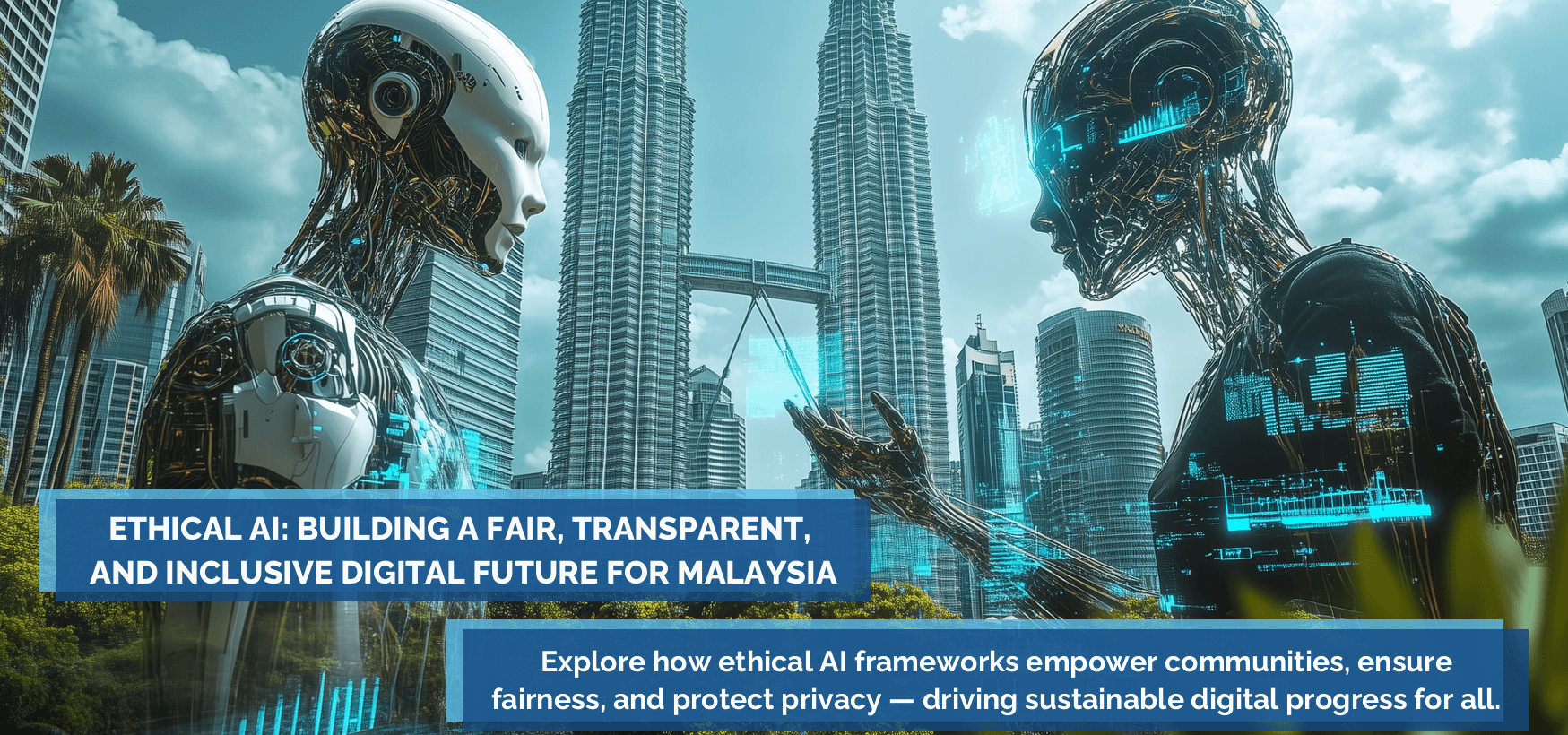
Ethical AI: Charting a Course for an Inclusive Digital Malaysia

By Thulasy Suppiah, Managing Partner of Suppiah & Partners

Malaysia’s burgeoning AI landscape, from data centres to rapidly developing technologies, holds immense promise. Realising this potential, however, requires navigating complex challenges – infrastructure needs, skills gaps, and data security concerns, among others. Critically, we must also address the ethical dimensions of AI, ensuring this powerful technology serves all Malaysians equitably. We can chart a more inclusive, ethical, and prosperous digital future by focusing on a core set of guiding principles, adopted and applied appropriately across all levels of our society.

Fortunately, Malaysia doesn’t need to reinvent the wheel. Robust ethical frameworks for AI already exist. The UNESCO Recommendation on the Ethics of Artificial Intelligence provides a global blueprint, while the ASEAN Guide on AI Governance and Ethics offers a practical, regional perspective. MOSTI’s own National Guidelines on AI Governance and Ethics tailors these principles to our Malaysian context. Building upon these solid foundations, the following ethical pillars should guide our national approach, embraced by all stakeholders:

FOUNDATIONS OF ETHICAL AI – THREE KEY SOURCES

WHAT FRAMEWORKS CAN GUIDE ETHICAL AI DISCUSSIONS IN MALAYSIA?

[2022] UNESCO RECOMMENDATION ON THE ETHICS OF ARTIFICIAL INTELLIGENCE

A global framework that promotes fairness, transparency, and accountability while providing guidelines to protect human dignity and fundamental rights.

[2024] ASEAN GUIDE ON AI GOVERNANCE AND ETHICS

A region-specific guide that aligns AI practices with Southeast Asian values and offers practical steps for ethical AI governance and deployment.

[2024] MALAYSIA’S NATIONAL GUIDELINES ON AI GOVERNANCE AND ETHICS (MOSTI)

A local framework that adapts international principles to Malaysia’s context, offering voluntary guidance on ethical AI practices.

MALAYSIA’S ETHICAL AI PILLARS

WHAT CORE PRINCIPLES THAT CAN GUIDE MALAYSIA’S AI JOURNEY?

HUMAN-CENTRICITY

AI should serve humanity, not replace it. This fundamental principle emphasizes prioritising human well-being, dignity, and agency. We must ensure AI systems enhance human capabilities, not diminish them, and that individuals retain control over decisions that significantly impact their lives.

FAIRNESS & NON-DISCRIMINATION

AI systems must be free from bias, ensuring equitable outcomes for all Malaysians. This requires careful attention to data quality, algorithmic design, and ongoing monitoring to prevent perpetuating or exacerbating existing inequalities.

TRANSPARENCY & EXPLAINABILITY

Trust is built on understanding. AI systems should be understandable, allowing individuals to comprehend how decisions are made and providing avenues to challenge those outcomes. "Black box" algorithms erode trust and should be avoided if possible.

PRIVACY & SECURITY

Protecting personal data in our increasingly data-driven world is paramount. Robust data security measures and strict adherence to privacy regulations are non-negotiable.

ACCOUNTABILITY, RELIABILITY, SAFETY, AND CONTROL

Clear lines of responsibility are essential, encompassing the reliability and safety of AI systems. When AI systems cause harm, those responsible must be identifiable and held accountable. This necessitates robust oversight mechanisms and a commitment to building systems that operate as intended, minimising unintended consequences.

By embracing these ethical principles, Malaysia can unlock the transformative potential of AI while safeguarding the well-being of all its citizens. This is not solely the government’s responsibility; it requires continuous dialogue, collaboration, and a shared commitment to ethical awareness across all sectors – from industry and academia to civil society and individual citizens. Only through this collective effort can we ensure that AI contributes to a more just and prosperous future for all Malaysians.

© 2025 Suppiah & Partners. All rights reserved. The contents of this newsletter are intended for informational purposes only and do not constitute legal advice.

More Newsletter